
ROOFING DEBRIS MANAGEMENT: SMARTER & FASTER ON EVERY JOB
Roofing Debris Management: The Challenge Every Roofing Crew Faces
Roofing debris management is one of the most time-consuming and labor-heavy parts of any roof replacement or repair. Shingles, underlayment, nails, old flashing, and other waste quickly pile up, creating safety hazards, slowing down production, and frustrating crews who just want to finish the job cleanly.
Whether you're a seasoned roofing contractor running multiple crews or part of a hardworking Hispanic roofing crew that takes pride in fast, professional work, the pressure is the same: get the old roof off, manage the mess efficiently, and move on to the next phase without tearing up the customer’s property or wasting valuable time.
Why Traditional Roofing Debris Management Falls Short
Most roofing crews still rely on old methods:
- Throwing debris into tarps or onto the ground and making multiple trips
- Using standard trailers that stay hooked to the truck and can’t reach tight backyard jobs
- Renting skid steers or telehandlers that require extra transport and often damage lawns
- Manual labor to haul waste to the street
These approaches waste hours, increase injury risk, and leave jobsites looking messy — something no professional roofing crew wants.
The Equipter Solution for Better Roofing Debris Management
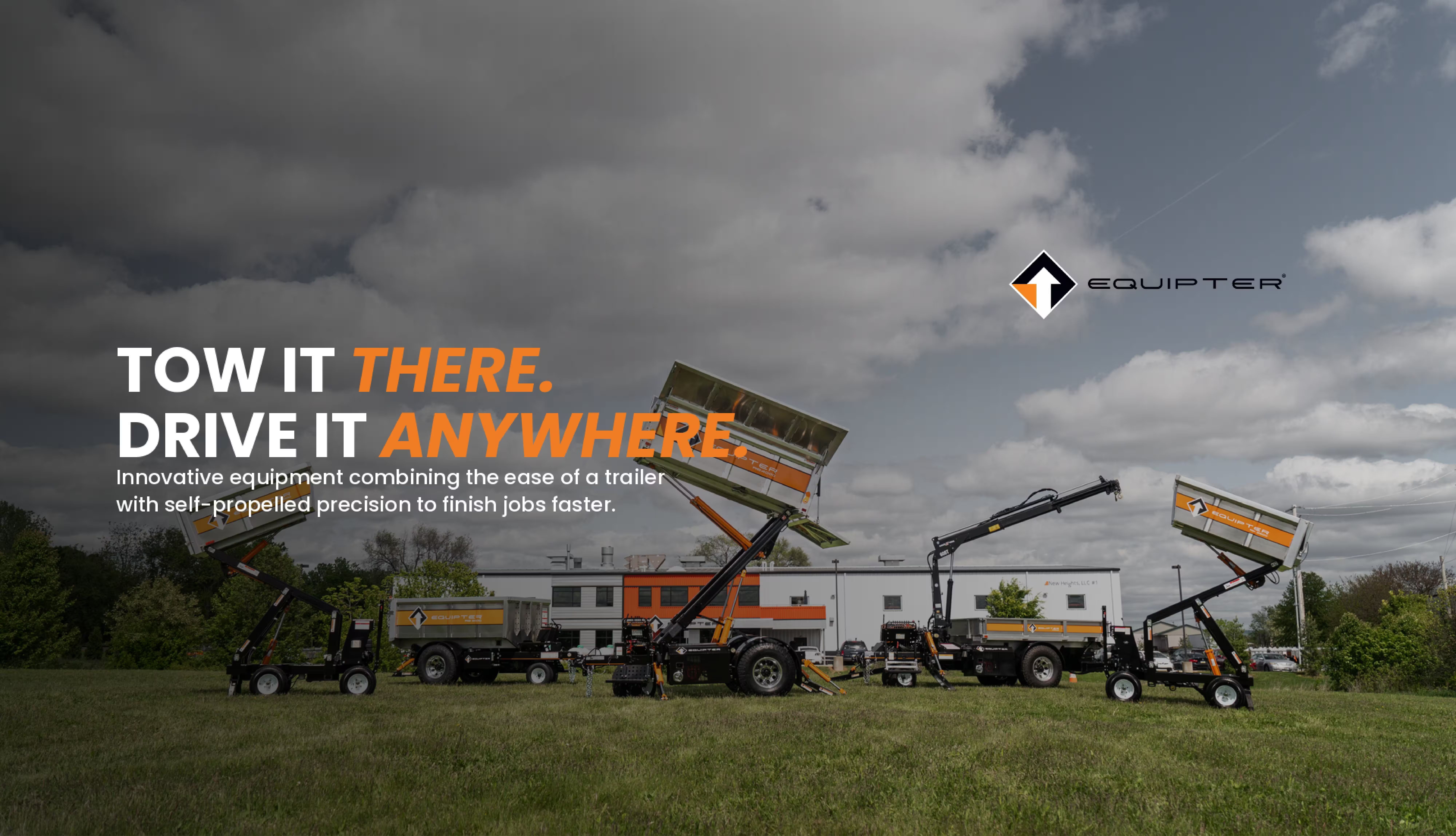
The first Equipter model was built by a roofer for his own roofing company to solve exactly these daily frustrations. What started as a practical tool for faster tear-offs has evolved into versatile towable self-propelled equipment that many roofing contractors now rely on.
“Tow it there. Drive it anywhere.”
This simple idea changes everything about roofing debris management. You tow the machine to the job like a normal trailer, unhook it, and then drive it right where the work is happening — even in backyards, through gates, or across finished landscaping.
Key Advantages for Roofing Debris Management
- Faster clean-up — Move the machine close to the ladder or staging area so debris goes straight into the hopper instead of onto the ground.
- Less labor — One operator can handle loading and moving material that used to require several crew members.
- Cleaner jobsites — Keep the customer’s property neat and professional from start to finish.
- Turf-friendly and maneuverable — Drive across lawns without the damage heavy equipment often causes.
- Versatile jobsite equipment — Works as a self-propelled material handler that goes far beyond just debris.
Because it’s both towable and drivable, roofing crews gain real flexibility that traditional trailers and telehandler alternatives simply don’t offer.
Real-World Applications Across Roofing and Beyond
For roofing contractors, the biggest win is dramatically improved roofing debris management on both steep and low-slope jobs. Crews finish tear-offs faster and spend less time at the end of the day cleaning up.
The same machine also proves valuable for:
- Delivering new materials around the house
- General contracting and restoration work
- Landscaping and hardscaping projects
- Any situation where you need efficient material handling without complicated transport
This versatility means your investment works on roofing jobs and many other projects, giving you better utilization than single-purpose equipment.
Ready to Improve Your Roofing Debris Management?
If you’re tired of slow, messy clean-ups and want a smarter way to handle debris, it’s time to experience the difference for yourself. Many roofing contractors — from established companies to hardworking independent crews — have already made the switch.
Contact Equipter today to schedule a demo, ask questions, or explore rental options. See how towable self-propelled equipment can make your roofing jobs run smoother and more profitably.
“Tow it there. Drive it anywhere.” — Built by roofers, trusted by contractors across industries.
FAQ – Roofing Debris Management
1. What makes Equipter different for roofing debris management?
It combines easy towing with full self-propelled mobility, so you can position the machine exactly where you need it without keeping a truck attached.
2. Will it work on residential jobs with tight access?
Yes. Its compact size and drivable capability make it excellent for backyard and side-yard roofing projects.
3. Does it damage customer lawns?
The equipment is designed to be turf-friendly, allowing you to maintain a clean, professional appearance.
4. How does it help Hispanic roofing crews specifically?
It reduces heavy manual labor and speeds up tear-offs, helping hardworking crews work more efficiently and safely regardless of language or background.
5. Can one person operate it effectively?
Yes — many roofing contractors use it with just one operator handling debris movement.
6. Is it only for roofing?
No. While it started in roofing, it has become versatile jobsite equipment used in many other applications.
7. What’s the best way to get started?
Request a demo or rental. Most crews quickly see the time savings on their very first job.
8. How does this affect overall job profitability?
Faster debris handling means quicker job completion, less overtime, and happier customers — all of which improve your bottom line.